
Equipment
Directional Drill Fleet
What directional drilling capability actually consists of, described by equipment class and by what each class is used for.
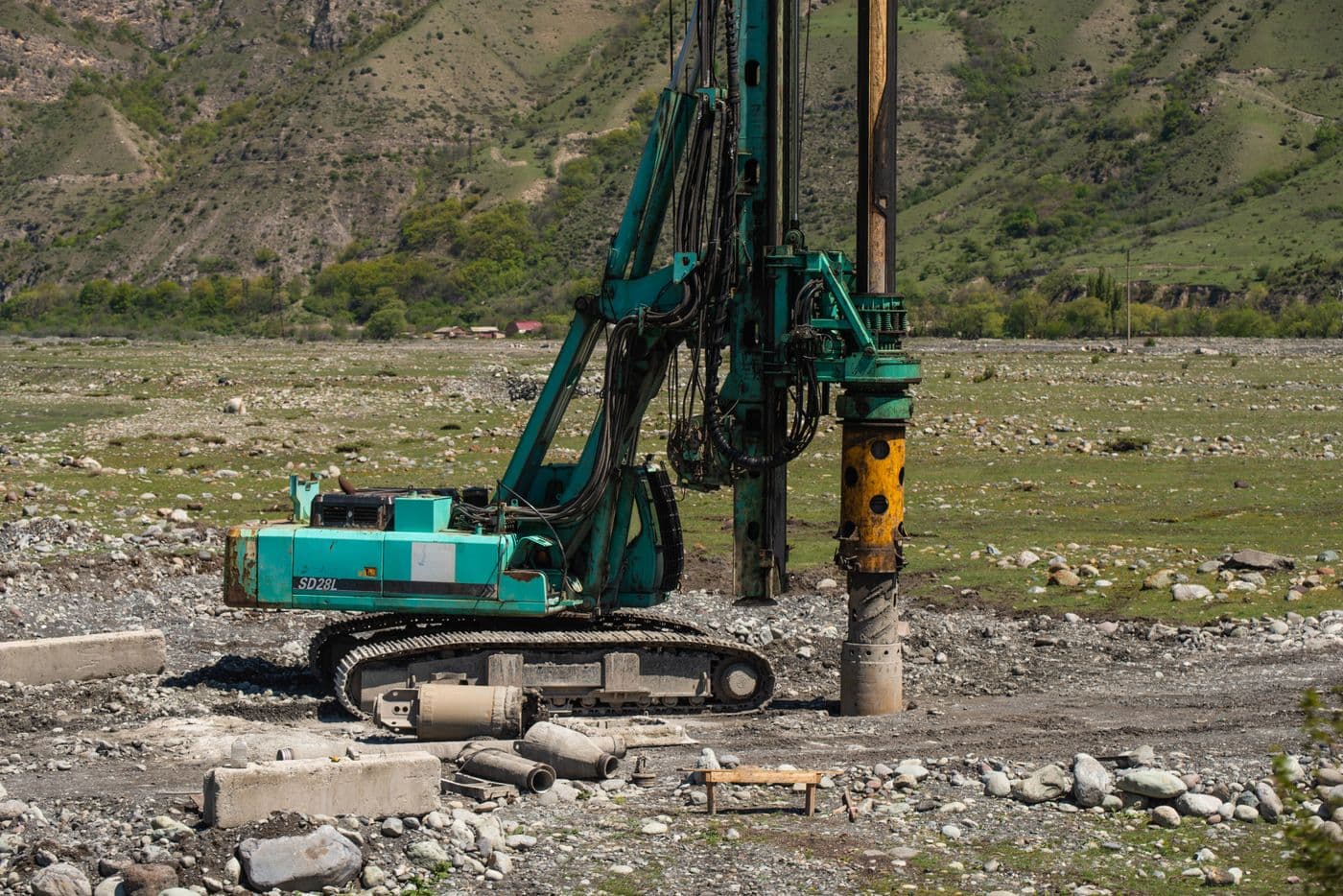
Directional drill capability is a system, not a single machine: a rig sized to the bore, a tracking and locating system, drilling fluid mixing and recovery, vacuum excavation for potholing, and the tooling that matches the soil. Strilla Communications owns and operates each of these classes for Florida bores.
A Drill Is Only One Part of a Bore
Buyers often ask how many drills a contractor has. The more useful question is whether the contractor carries the full set of equipment a bore depends on, because a rig without adequate fluid capacity, tracking, or vacuum support will stall on the same crossing that a properly outfitted spread completes in a shift.
The classes below describe the capability. A specific rig list with configurations is provided in prequalification packages on request.
Drill Rig Classes and What Each Is For
Rig class is chosen against bore length, product diameter, expected soil, and how much room the site allows. Bringing too much machine to a tight residential right of way creates access and restoration problems; bringing too little turns a single crossing into a multi day event.
- Compact rigs for driveway crossings, short utility crossings, service drops, and work inside constrained right of way where setup room and restoration footprint matter most
- Mid-size rigs for typical distribution work: road crossings, multi-duct runs between handholes, and the majority of conduit placement in Volusia County and Central Florida
- Larger rigs for long backbone bores, larger diameter HDPE conduit, deeper crossings, and situations where pullback force and rod capacity govern the design
Tracking and Locating Equipment
Bore path control is a locating function, not a drilling function. Walkover tracking systems report depth, pitch, roll, and position so the head stays on the planned profile and clears existing facilities by the required margin.
Where surface conditions make walkover tracking unreliable, such as heavy interference or crossings that cannot be walked, an alternate tracking method is planned for that crossing. The choice is made during bore path planning and recorded, so the as-built reflects how position was verified.
Drilling Fluid Systems
Florida soils vary widely over short distances, from clean sands that need fluid to hold an open bore to clays and organics that need different additives and flow. Fluid mixing systems are sized to the rig so the mix can be adjusted in the field rather than accepted as delivered.
Fluid management is also a compliance issue. Recovery and containment equipment keeps returns controlled at entry and exit pits, protects the surrounding site, and supports the restoration standard that municipal and county inspectors expect.
Vacuum Excavation and Potholing Support
Vacuum excavation units serve two purposes on a drill spread. First, they expose existing utilities inside the tolerance zone without mechanical contact, which is the single most effective protection against a utility strike. Second, they recover drilling fluid and keep the work area clean.
Potholing is treated as planned work with its own time in the schedule, not as something squeezed in when a locate looks uncertain. Exposures are recorded and referenced in the as-built documentation.
Tooling, Reaming, and Pullback Equipment
Bits, housings, reamers, swivels, and pulling assemblies are selected against soil type and the product being installed. The wrong reamer in the wrong ground produces an unstable bore, excess fluid loss, or a pullback that binds.
Reaming passes and pullback are planned with the product on the reel and staged so the pull happens in one continuous operation wherever possible. Tracer wire installation and conduit verification follow the same pull rather than becoming a separate return trip.
- Bit and housing selection matched to sand, clay, organic, or mixed conditions
- Reamer types and sizing for the finished bore diameter and product count
- Swivels and pulling eyes rated for the product and the calculated pull
- Rod inventory and handling equipment sized to bore length
Matching Equipment to Florida Ground Conditions
Florida is not one soil. A bore near New Smyrna Beach may run through clean sand that will not hold an open bore without the right fluid, while a crossing a few miles inland hits clay, marl, organics, or a shallow water table that changes the fluid program and the reaming plan entirely.
Limerock, cobble, and unexpected fill also show up, particularly near older roadways and along corridors that have been rebuilt more than once. Tooling that performs in sand will slow to a crawl in rock, so bit and reamer selection is reviewed against soil expectations before mobilization and adjusted in the field when the returns say something different.
Groundwater is the condition most often underestimated. A shallow water table affects entry and exit pit stability, spoil handling, and restoration, which is why pit management equipment travels with the spread rather than being sourced after a pit starts caving.
Support Equipment That Keeps a Bore Moving
A drill spread includes the equipment that surrounds the rig: water supply, entry and exit pit management, spoil handling, compaction and restoration tooling, and the traffic control needed to work in a roadway or shoulder.
Emergency service restoration relies on the same spread being able to leave the yard quickly. Because the equipment is owned, a storm response or outage restoration call does not begin with a rental search.
How Does Each Part of the Spread Work Through a Bore?
Every directional bore runs in three stages, and each stage leans on different equipment. The pilot bore drills a small steerable hole along the planned profile. Reaming enlarges that hole to the finished diameter. Pullback draws the conduit or cable back through the reamed hole to the entry side.
During the pilot, the tracking system does most of the work. The locator walks above the drill head, reads depth and pitch, and tells the operator when to steer. The fluid system keeps the hole open and carries cuttings out, and vacuum excavation has already exposed every utility the bore will cross.
During reaming, rod capacity, rotation torque, and fluid volume matter most. A reamer sized for the product is pulled back through the pilot hole, sometimes in more than one pass. During pullback, the rig's pullback force, the swivel, and the pulling assembly carry the product through without twisting or overstressing it.
What About Bores Near Waterways and Drainage?
Bores near canals, ditches, retention ponds, and tidal water need extra fluid control. Drilling fluid under pressure can find a path to the surface through loose sand or an old disturbance, which is called an inadvertent return. Near water, even a small return becomes an environmental and permit issue.
Crews working near water carry containment materials and a vacuum unit able to recover fluid at the point it surfaces. Fluid pressure and returns are watched closely through the crossing, and any return is contained, cleaned up, and reported the same day. Permit conditions near water are read during planning and carried into the field plan, because they can limit work hours, set setbacks, or require monitoring.
Key takeaways
- Directional drilling capability is a full spread of rig, tracking, drilling fluid, vacuum excavation, and tooling, and a rig without the rest of that spread is a schedule risk.
- Rig class is chosen per crossing from bore length, product diameter, soil, depth, and site access, so mixed routes often use more than one rig class.
- Vacuum excavation exposes crossed utilities before drilling and recovers fluid after, which makes it as important to strike prevention as the tracking system.
- Florida ground can shift from clean sand to clay or limerock within a short distance, so fluid mix and tooling are set in planning and adjusted from the returns.
Key terms
- Pullback force
- The pulling capacity of a directional drill rig, which limits the length and diameter of product it can draw back through a reamed bore. Long backbone bores and large HDPE conduit need higher pullback force. Calculated pull loads are compared with rig capacity and with the product's own rated tension.
- Walkover tracking system
- A handheld receiver and drill head transmitter used to locate the head during a directional bore. The locator walks the path above the head and reads depth, pitch, roll, and position, then relays steering information to the operator. Readings at rod intervals build the bore log.
- Drilling fluid
- A mixture of water with bentonite clay and additives pumped through the drill string during directional drilling. It cools the bit, holds the bore open, suspends and carries cuttings out, and lubricates the product during pullback. Mix design changes with sand, clay, organic, or rock conditions.
- Reamer
- A cutting tool pulled back through a pilot bore to enlarge it to the diameter needed for the product. Reamer type and size are matched to soil and to the finished bore diameter. The wrong reamer in the wrong ground causes an unstable hole, fluid loss, or a pullback that binds.
- Inadvertent return
- An unplanned release of drilling fluid to the surface away from the entry and exit pits, sometimes called a frac-out. It happens when fluid pressure finds a weak path through loose or disturbed ground. Returns are contained and cleaned up at once and reported, especially near water.
| Equipment class | Typical work | Main limiting factor |
|---|---|---|
| Compact rig | Driveway crossings, service drops, tight residential right of way | Rod capacity and pullback on longer shots |
| Mid-size rig | Road crossings, multi-duct runs between handholes, most distribution conduit | Setup room and restoration footprint |
| Large rig | Long backbone bores, larger diameter conduit, deeper crossings | Site access and staging space |
| Walkover tracking system | Depth, pitch, and position on every pilot bore | Surface interference and unwalkable crossings |
| Fluid mixing and recovery | Hole stability, cuttings removal, pit control | Soil type and fluid volume at the bore length |
| Vacuum excavation unit | Potholing crossed utilities, fluid and spoil recovery | Number of crossings and depth to facility |
What this means for your project
The equipment behind a bore decides how much risk sits on your schedule. A complete spread finishes a crossing in the planned window. A rig missing fluid capacity, tracking, or vacuum support turns the same crossing into standby days, emergency rentals, and change order conversations you did not budget for.
Strike risk follows the same logic. Exposing every crossed utility with vacuum excavation and tracking the head continuously are the two controls that keep a bore from hitting a gas main or a fiber trunk. Both depend on the right equipment being on site before the pilot starts, not sent for after a locate looks uncertain.
The records matter after the crew leaves. Bore logs built from tracking readings, pothole records, and fluid incident reports are what let you answer an agency question about minimum cover or a damage claim with data. Ask for the rig list during prequalification and ask how depth is recorded on every bid you compare.
Related reading
- How directional drilling worksA plain guide to pilot, ream, and pullback.
- Bore path planningHow profile, depth, and rig class are set before mobilization.
- Reaming servicesMatching reamer type and passes to Florida ground.
- Pullback operationsPulling conduit and cable without overstressing it.
- Florida soil and permittingSand, clay, limerock, and water table effects on bores.
- HDD versus open cutWhen trenchless installation makes more sense than a trench.
- Equipment and crews overviewHow all of our equipment classes fit together.
Frequently Asked Questions
- How do you size a drill rig to a crossing?
- We size the rig from the crossing data gathered during Locate and Plan. Bore length, product diameter and count, expected soil, required depth, and site access are reviewed together. Those values set the rod capacity, pullback force, and fluid volume the bore needs, along with the footprint the site can accept. Too much machine causes access and restoration problems, and too little stalls the bore.
- What happens if the ground is different from what was expected?
- The crew adjusts the fluid mix and tooling in the field, guided by what the returns show. Florida ground can change from clean sand to clay or limerock within a short distance. If the change affects the bore profile, the depth, or the schedule, it is raised with your point of contact the same day rather than absorbed quietly and reported at closeout.
- Do you provide a specific equipment list for bids?
- Yes. An itemized list with rig classes and configurations is provided in prequalification and bid packages on request. We keep specific units off the website because the fleet changes as equipment is added and replaced, and a stale list helps nobody. Send your prequalification requirements to hello@strillacommunications.com and we will return the documents with the rest of the package.
- Why does vacuum excavation travel with a drill rig?
- Vacuum excavation serves two jobs on a bore. Before drilling, it exposes existing utilities inside the tolerance zone without mechanical contact, so the operator steers against a verified depth instead of a paint mark. During and after drilling, it recovers fluid and cuttings from the pits and any inadvertent return. A drill spread without vacuum support carries far more strike and cleanup risk.
- How is bore depth tracked and recorded?
- A walkover tracking system reads a transmitter in the drill head and reports depth, pitch, roll, and position. The locator records readings at set rod intervals, which builds the bore log for that shot. Where walkover tracking is unreliable because of interference or an unwalkable crossing, alternate tracking is planned in advance and the method is noted in the as-built record.
- Can one rig handle both driveway crossings and long road bores?
- Sometimes, but it is often the wrong choice. A larger rig can drill a short driveway crossing, yet it needs more setup room, causes more surface disturbance, and costs more to restore around. A compact rig on a long, large diameter bore may lack the rod capacity or pullback force to finish. Mixed routes are usually planned with more than one rig class.
- What drilling fluid do you use in Florida soils?
- Most bores use a water based fluid built on bentonite clay, adjusted with additives for the ground. Clean sand needs fluid that holds the hole open and suspends cuttings. Clay needs additives that keep it from swelling and sticking to tooling. The mix is set during planning from the expected soil and adjusted in the field when the returns show something different.
Related services
- Horizontal Directional Drilling (HDD)HDD crews for fiber and utility conduit across Volusia County and Central Florida. Pilot bore, reaming, and pullback with logged depth and as-built records.
- Directional DrillingTrenchless directional drilling for fiber and utility conduit across Volusia County and Central Florida, planned against verified locates and closed out with documented bore logs.
- Bore Path PlanningBore path planning for Florida HDD projects: alignment, depth profile, entry and exit points, utility clearance, and bend radius checked before mobilizing.
- Reaming ServicesBack reaming and hole conditioning for directional bores in Florida sand, shell, and limerock. Correct hole size, fluid volume, and passes for clean pullback.
- Pullback OperationsControlled pullback of HDPE conduit, multi-duct, and cable on Florida bores. Monitored tension, swab passes, and proofing before the pits are closed.
- Road CrossingsPermitted road crossing bores in Volusia County and Central Florida. FDOT, county, and city right of way, traffic control, verified cover, restored shoulders.
- Trenchless BoringTrenchless boring for conduit and fiber under roads, drives, and hardscape in Volusia County and Central Florida. No open cut, verified depth, clean sites.
Request a Bid
Ready to start your next directional drilling or fiber project?
Send the scope and we will come back with a clear, documented bid. Owned crews, aerial and underground under one contract, and a closeout package that lets you close the file.
Most bid requests receive a response within one business day.