
Services
Equipment List
Described by class and by what it enables, with specific fleet detail supplied directly.
Strilla operates owned equipment across five categories: directional drilling and support units, excavation and potholing equipment, aerial access vehicles, fiber placement and splicing equipment, and locating and testing instruments. Specific fleet composition is provided on request.
Why this page describes classes rather than model numbers
A published list of model numbers ages quickly, is impossible for you to verify from a web page, and tells you less than you would think. What matters is whether the contractor has equipment appropriate to your scope and whether it is maintained.
Specific fleet composition, unit counts and model detail are provided in prequalification packages on request. That is where the information can be given accurately and kept current.
Directional drilling equipment
Drilling rigs sized to the bore lengths and diameters the work requires, along with the support equipment that makes a bore possible.
Rig size is about pullback force, torque and the length and diameter of bore it can complete safely. A rig that is too small for the job struggles on pullback. A rig that is too large is hard to set up on a tight residential site. The walkover tracking system matters just as much: it reads the position and depth of the drill head from the surface so the operator can steer to the planned path.
- Directional drilling rigs across the size range the work requires
- Walkover tracking and locating systems used on every bore
- Drilling fluid mixing and management units
- Reaming tooling across the diameters commonly required
- Drill rod and tooling appropriate to Florida soil conditions
Excavation and potholing equipment
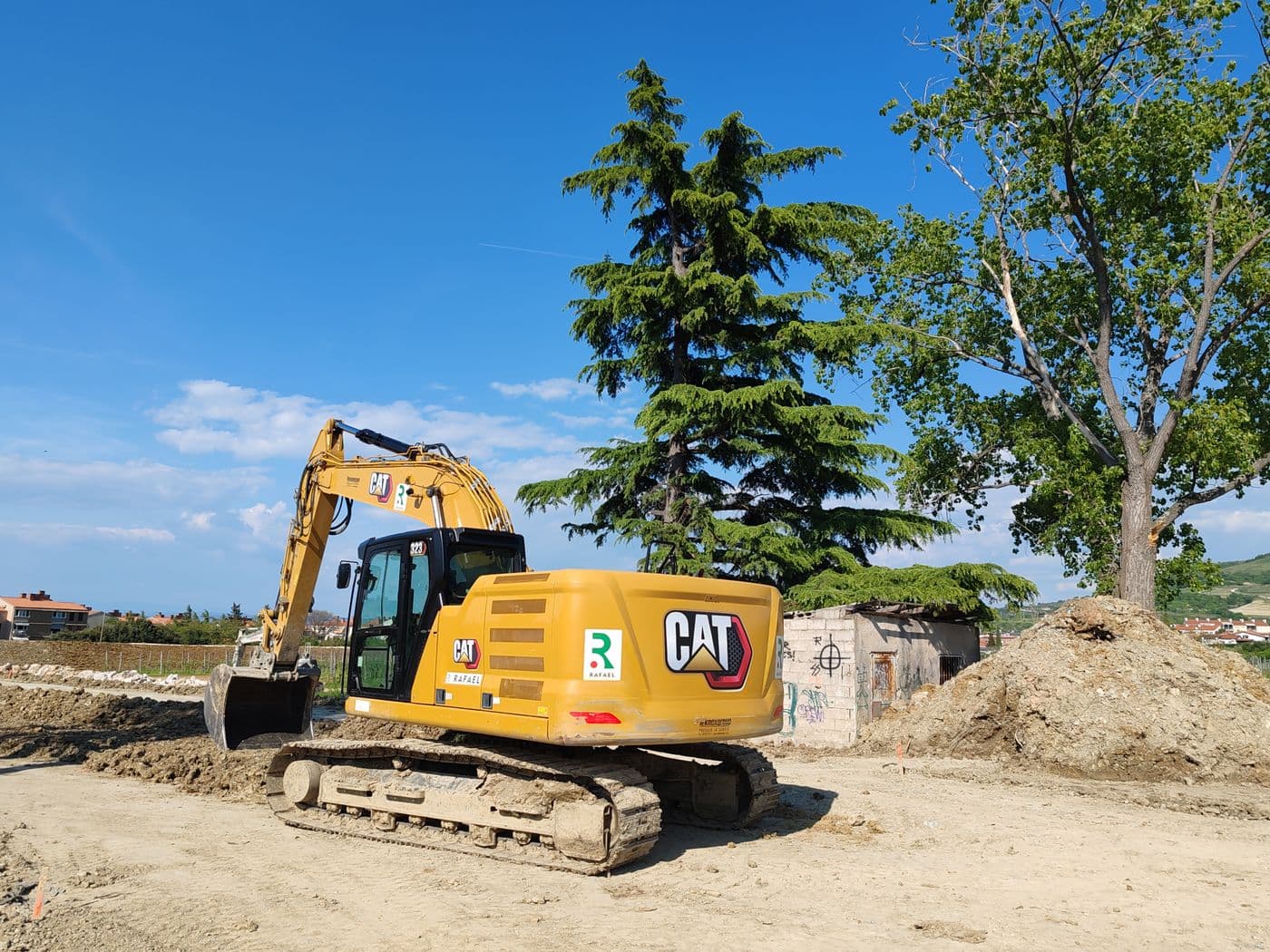
Equipment for entry and exit pits, access structure excavations, and the careful exposure of existing utilities.
Vacuum excavation uses pressurized water or air to loosen soil and a vacuum to remove it. It exposes existing lines without the risk a bucket carries. When a bore path crosses a marked utility, potholing confirms its real depth so the bore can be planned with clearance, not guesswork.
- Compact excavation equipment for pits and structures
- Vacuum excavation capability for potholing near existing plant
- Hand excavation tooling for work directly over marked utilities
- Compaction equipment for backfill and restoration
- Dewatering equipment for high water table conditions
Aerial equipment
Aerial access and cable handling equipment for pole line work.
Bucket trucks put a lineman at attachment height safely and quickly, pole after pole. Lashers wrap lashing wire around the cable and strand as they travel along the span. Tensioning equipment sets strand sag to the design so clearances over roads and to other attachments are met.
- Bucket trucks for pole line access
- Cable reel trailers and handling equipment
- Lashing equipment for strand and lash and overlash work
- Strand tensioning equipment
Fiber equipment
Equipment for placing, splicing and verifying optical cable.
Fiber blowing equipment pushes cable through conduit on a stream of compressed air, which keeps pulling tension low on long runs. Fusion splicers align two fibers and join them with an electric arc. An OTDR, or optical time domain reflectometer, sends light pulses down the fiber and measures what reflects back, showing the loss at each splice and the total length of the span.
- Fiber blowing equipment for placement through conduit
- Pulling equipment with tension monitoring
- Fusion splicing equipment
- Optical test equipment including OTDR capability
- Splice trailer or enclosed working space for splice operations
Site, safety and traffic equipment
The equipment that makes work in an active right of way safe and compliant.
Maintenance of traffic, or MOT, is the plan and equipment that keep drivers, cyclists and pedestrians safe around a work zone. Work on public roads follows the traffic control setup the permit requires, and that equipment has to be on site before the first rod goes in.
- Maintenance of traffic devices, signage and channelizing equipment
- Site protection and pedestrian management equipment
- Locating equipment for verifying marks and tracing installed plant
- Support vehicles and material transport
How is equipment matched to Florida ground?
Florida ground decides much of the equipment plan. Fine coastal sand collapses easily, so drilling fluid has to hold the borehole open and carry cuttings out. That puts the fluid mixing unit and the fluid recipe at the center of the job, not the rig alone.
A high water table means pits fill with water, so dewatering pumps come with the crew on coastal work. Where limestone sits under the sand, tooling has to cut rock as well as soil, and reaming passes may change. Clayey layers can stick to tools and swell, which changes fluid additives and reaming speed. The equipment list for a job is set after the ground is understood, not before.
How do you verify a contractor's equipment during prequalification?
Ask for it in writing and ask the right follow-up questions. A list on its own tells you little. What it shows about fit and upkeep tells you more.
- Request the current equipment list with the prequalification package
- Ask which units would be assigned to your project
- Ask whether equipment is owned or rented, and how backup is handled
- Ask how equipment is inspected and maintained between jobs
- Ask about locating and test equipment, not just rigs and trucks
Why owned equipment affects your schedule
Rental availability is worst exactly when demand is highest, which tends to be when your schedule is already under pressure. Owned equipment turns an availability negotiation into an internal scheduling decision.
It also affects condition. Equipment maintained by the people who depend on it daily tends to be in better shape than equipment maintained by whoever had it last, and equipment condition is directly a schedule risk.
Key takeaways
- Strilla runs owned equipment in five classes: drilling and support, excavation and potholing, aerial access, fiber placement and splicing, and locating and testing.
- Specific fleet composition and model detail are provided in prequalification packages on request rather than published, so the information stays accurate.
- In Florida, drilling fluid and dewatering equipment matter as much as the rig, because sand and shallow groundwater drive the bore plan.
- Owned equipment turns availability into an internal scheduling decision instead of a rental negotiation during peak demand.
Key terms
- Walkover tracking system
- A locating system used in directional drilling. A transmitter behind the drill head sends a signal, and an operator on the surface reads position, depth and pitch with a receiver. The readings guide steering and become the depth record for the bore.
- Vacuum excavation
- A digging method that loosens soil with pressurized water or air and removes it with a vacuum. It exposes buried utilities with far less risk of damage than mechanical digging, which makes it the standard way to pothole before a bore crosses existing lines.
- OTDR
- Optical time domain reflectometer. A test instrument that sends light pulses into a fiber and measures what reflects back. The trace shows span length, the loss at each splice and connector, and the location of any break or fault along the cable.
- Drilling fluid
- A mix of water and additives such as bentonite pumped through the drill string during directional drilling. It cools the tooling, carries cuttings out and supports the borehole walls. In loose Florida sand, the right fluid mix is often what keeps a bore from collapsing.
| Equipment class | What it does | When it matters most |
|---|---|---|
| Directional drilling rigs | Bore the pilot hole, ream and pull back conduit | Road, driveway, waterway and long continuous crossings |
| Walkover tracking | Reads drill head position and depth from the surface | Every bore, especially near existing utilities |
| Fluid mixing and dewatering | Mixes drilling fluid and keeps pits workable | Coastal sand and high water table sites |
| Vacuum excavation | Exposes existing utilities safely | Any bore crossing marked plant |
| Bucket trucks and lashers | Reach attachment height and lash cable to strand | Aerial routes and overlash work |
| Fiber blowing and pulling | Place cable through conduit with controlled tension | Long conduit runs and tight bends |
| Fusion splicers and OTDR | Join fibers and prove splice and span loss | Splicing, termination and closeout testing |
What this means for your project
Equipment is a schedule risk before it is a cost. A contractor waiting on a rental rig or a borrowed vacuum truck loses days you cannot see in the bid. Owned equipment keeps those decisions inside one company and off your critical path.
Fit matters as much as ownership. A rig too small for the pullback, or a coastal job without dewatering, turns into rework. Asking which units are assigned to your project, and why, tells you whether the contractor has planned for your ground.
Locating and test equipment protect your documentation. Tracking readings become as-built depths, and OTDR traces prove fiber quality. Without them, the closeout package is a statement rather than evidence.
Related reading
- Equipment and crewsHow owned equipment and employed crews work together.
- Directional drill fleetMore on drilling rigs, tracking and fluid support.
- Bucket truck fleetAerial access equipment for pole line work.
- Fiber equipmentBlowing, splicing and optical test equipment in more detail.
- Why owned equipment mattersHow ownership affects schedule control and equipment condition.
- Full capabilities overviewThe scope each equipment class supports, in one page.
- Licensing and insuranceRequest equipment, licensing and insurance documents together.
Frequently Asked Questions
- Why are specific equipment models not listed here?
- Because a published model list ages quickly, cannot be verified from a web page, and tells you less than the underlying question of whether the equipment suits your scope and is maintained. Specific fleet composition and unit detail are supplied directly for prequalification, where they can be given accurately and current.
- Do you own your equipment or rent it?
- Owned. That matters because rental availability is tightest exactly when demand is highest, which is usually when your schedule is already under pressure. Owned equipment converts an availability negotiation into an internal scheduling decision, and tends to be better maintained because the same people depend on it daily.
- Can you provide an equipment list for prequalification?
- Yes. Email hello@strillacommunications.com or call (386) 396-2033 and tell us what your prequalification package requires. It is usually efficient to request equipment, licensing and insurance documentation together, since most procurement processes ask for all three in the same submission and review them together.
- What tracking equipment is used on directional bores?
- A walkover tracking and locating system is used on every bore. A transmitter behind the drill head sends a signal that a receiver at the surface reads to show position, depth and pitch. The operator steers from those readings, and the readings feed the bore record and the as-built depth data delivered at closeout.
- Do you have vacuum excavation for potholing?
- Yes. Vacuum excavation is used to expose existing utilities before a bore crosses them. It loosens soil with pressurized water or air and removes it by vacuum, so the line is uncovered without the risk of a bucket strike. Confirming the real depth of a crossing utility is the most reliable way to plan safe clearance.
- Do you bring your own traffic control equipment?
- Yes. Maintenance of traffic devices, signage and channelizing equipment are part of the owned equipment base. The setup on site follows what the right of way permit requires for that road. Traffic control is set before work starts and kept in place until the work zone is cleared and restored.
- How does equipment change for coastal work versus inland work?
- Coastal work leans on drilling fluid and dewatering. Fine sand and shallow groundwater mean the fluid has to hold the bore open and pits need pumps to stay workable. Inland ridge sites may have deeper groundwater but loose sand or limestone below. Tooling, fluid recipes and pit equipment are chosen after the ground is understood.
Related services
- Directional DrillingTrenchless directional drilling for fiber and utility conduit across Volusia County and Central Florida, planned against verified locates and closed out with documented bore logs.
- Aerial Cable ConstructionPole line construction, strand placement, lashing, and aerial fiber installation with make-ready coordination and NESC clearance verification.
- Fiber Splicing & InstallationFusion splicing, fiber placement, termination, and enclosure installation with bidirectional OTDR support and a recorded loss value for every fiber.
- Supporting ServicesThe access points, the pole preparation and the paperwork that decide whether a finished route can actually be operated and maintained.
Request a Bid
Ready to start your next directional drilling or fiber project?
Send the scope and we will come back with a clear, documented bid. Owned crews, aerial and underground under one contract, and a closeout package that lets you close the file.
Most bid requests receive a response within one business day.